

Istanbul is primarily known for its Byzantine and Ottoman architecture, but its buildings reflect the various people and empires that have previously ruled the city. Many of the monumental buildings during this period were converted to suit the present-day needs. The forms accommodate different functions over time – propelling structure. Some of the monuments that have an accommodating form are Rumelian Castle, Yıldız Palace and Hagia Sophia. These buildings are Urban Artefacts that have performed multiple functions which were accommodated by the form of the structure. In order to intervene in the city, we need to bridge the past to the present, leaving a door open for the future history allowed by our intervention.
Hagia Sophia
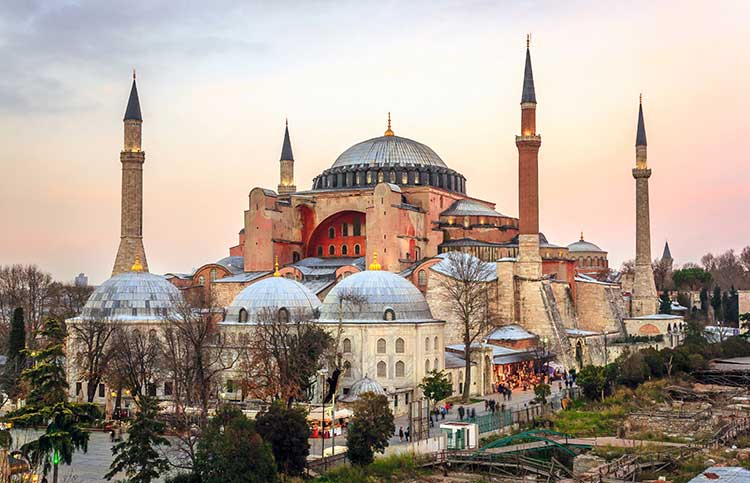
It was formerly built as a place of worship (Church) by Constantinople. It was the epitome of Byzantine architecture.
After the fall of Constantinople to the Ottoman empire it was converted to a Mosque.
The bells, altar, iconostasis and baptistery were removed and relics destroyed. The mosaics depicting Jesus, his mother Mary, Christian saints, and angels were eventually destroyed or plastered over.
Islamic architectural features were added, such as a minbar (pulpit), four minarets, and a mihrab – a niche indicating the direction of prayer (qibla).
In 1935 it was converted to a museum by the Republic of Turkey.
In early July 2020, the Council of State annulled the Cabinet's 1934 decision to establish the museum, revoking the monument's status and converted it to a Mosque.
CHURCH → MOSQUE → MUSEUM → MOSQUE
Rumelian Castle
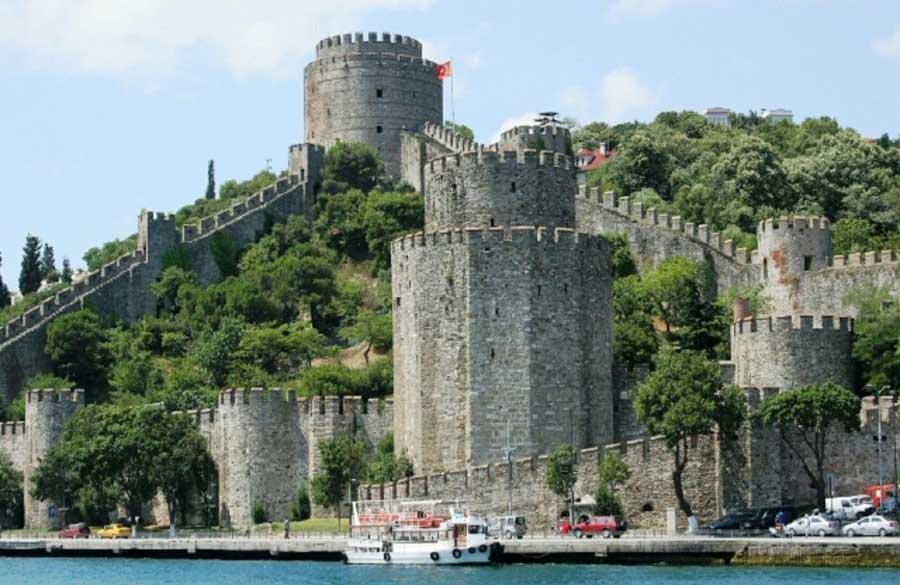
It was a Fortress built by the Ottoman Sultan. The complex was commissioned in preparation for a planned Ottoman siege on the then-Byzantine city of Constantinople, with the goal of cutting off maritime military and logistical relief.
After the Ottoman conquest of the city, Rumelihisarı served as a customs checkpoint and occasional prison.
Today, the fortress is a popular museum open to the public, and further acts as an open-air venue for seasonal concerts, art festivals, and special events.
FORTRESS → CHECKPOINT AND PRISON → MUSEUM / OPEN AIR VENUE
Yildiz Palace
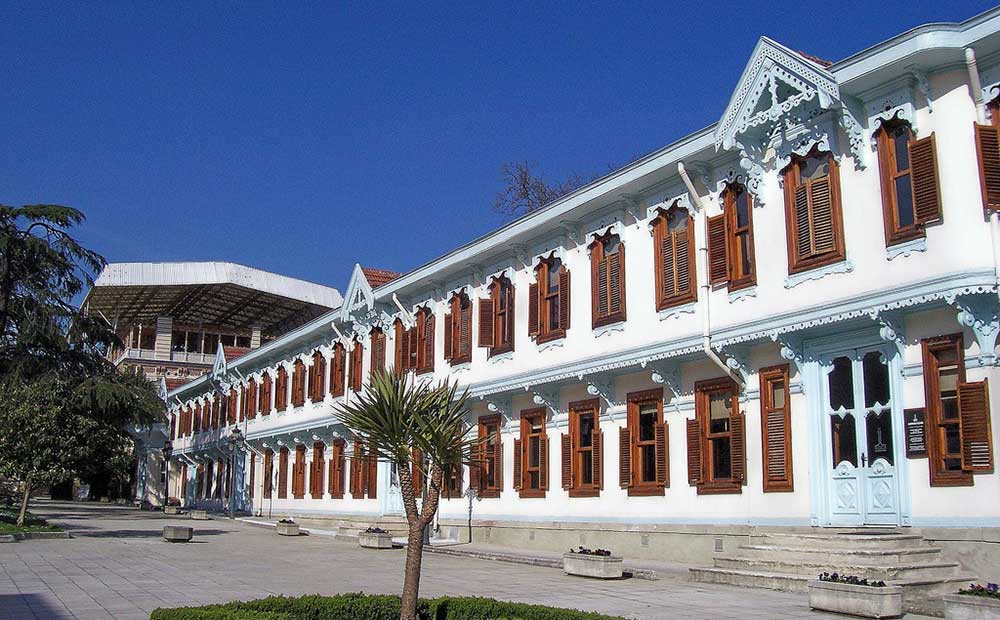
It is a vast complex of former imperial Ottoman pavilions and villas. Used as a residence by the Sultan and his court.
The palace is a complex of buildings including the State Apartments, Pavilion, the Malta Pavilion, the Çadır Pavilion, the Yıldız Theater and Opera House, the Yıldız Palace Museum, and the Imperial Porcelain Factory. After the Ottoman Empire ended, the palace was used as a luxury casino before being converted into a guest house.
Today it is a museum and its gardens can be used for private receptions, such as the Istanbul Antiques Fair at the Silahhane (Armoury) Hall, which usually takes place in November. The Istanbul office of the OIC is also located within the Yıldız Palace.
The palace is no longer open to the public and no longer a museum. It is now used by the president.
PALACE → CASINO → GUEST HOUSE → MUSEUM / OFFICE
The various empires that previously ruled the city their various needs, religion and social factors (wars) strongly influenced the typology of the city. The Monumental buildings were preserved and converted based on functional needs. Historical buildings are superior to newly constructed because of their historical richness.